Achieving the perfect balance of dark brown highlights on black hair requires a careful understanding of contrast and dimension. Many people find that adding subtle, warm tones to an otherwise deep base creates a sophisticated, multidimensional look that feels entirely natural. Whether you are aiming for a sun-kissed effect or a more dramatic transition, the right placement can transform your style without requiring aggressive bleaching.
This approach to color allows for significant depth, ensuring your hair retains its healthy appearance while gaining a modern, polished aesthetic. By focusing on specific placement techniques, you can achieve a result that looks professional and tailored to your unique features, providing a fresh update to your hair routine.
1. Subtle Mocha Babylights
1. Micro-fine Mocha Ribbons
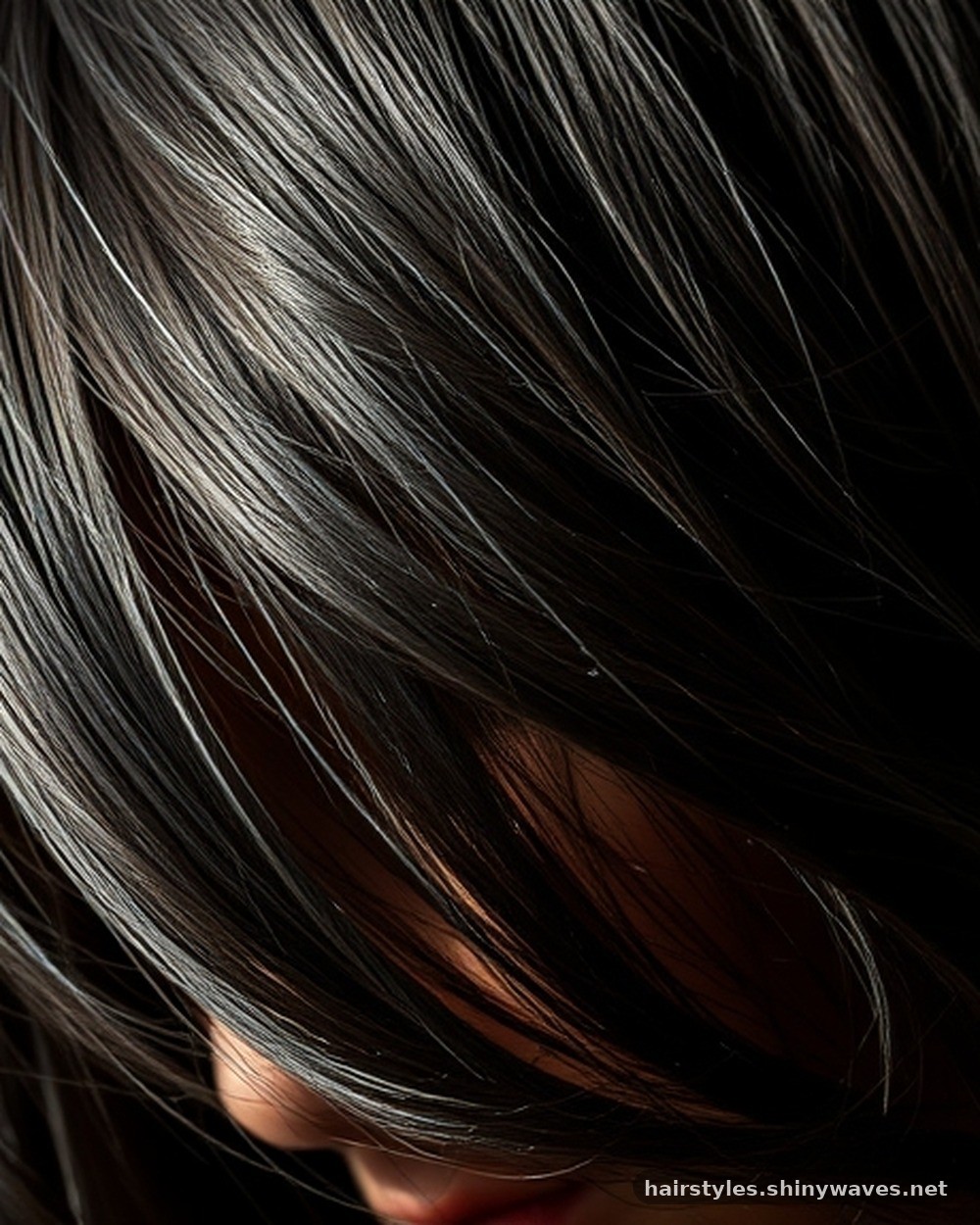
These are incredibly thin, delicate strands of light brown that mimic the way hair naturally lightens in the sun. They offer a refined, barely-there sparkle against deep black locks.
Ask your stylist for a fine-weave technique using a low-volume developer to ensure the mocha shades remain soft rather than brassy or overly bright.
2. Face-Framing Mocha Wisps
Concentrating these highlights only around the front hairline draws attention to your eyes and cheekbones. It creates a bright, welcoming frame for the face without coloring the entire head.
Request “money piece” placement but specify a dark mocha shade rather than blonde to keep the contrast intentional and understated against your black hair.
3. Scattered Mocha Dusting
This technique involves pulling very small, sparse sections of hair through a foil to create a random, natural effect. It prevents the appearance of thick, chunky stripes.
Ensure your stylist avoids a uniform pattern, as a scattered, organic look mimics the uneven way sunlight hits different layers of your hair.
4. Mocha Ombré Tips
Focusing the mocha color only on the bottom three inches of your hair creates a dip-dyed effect that is easy to maintain. It grows out gracefully without visible roots.
Check with a professional about a “soft melt” transition so the line between the black base and the mocha tips isn’t harsh or abrupt.
5. Seamless Root-Smudged Mocha
A root smudge involves applying a dark toner at the roots after highlighting, which blends the new brown color into the black base. This eliminates any harsh lines of demarcation.
Use a sulfate-free shampoo to maintain the integrity of the root smudge, as harsh cleansers can strip the toner and reveal the underlying lift too quickly.
2. Espresso Balayage Techniques
1. Hand-Painted Espresso Ribbons
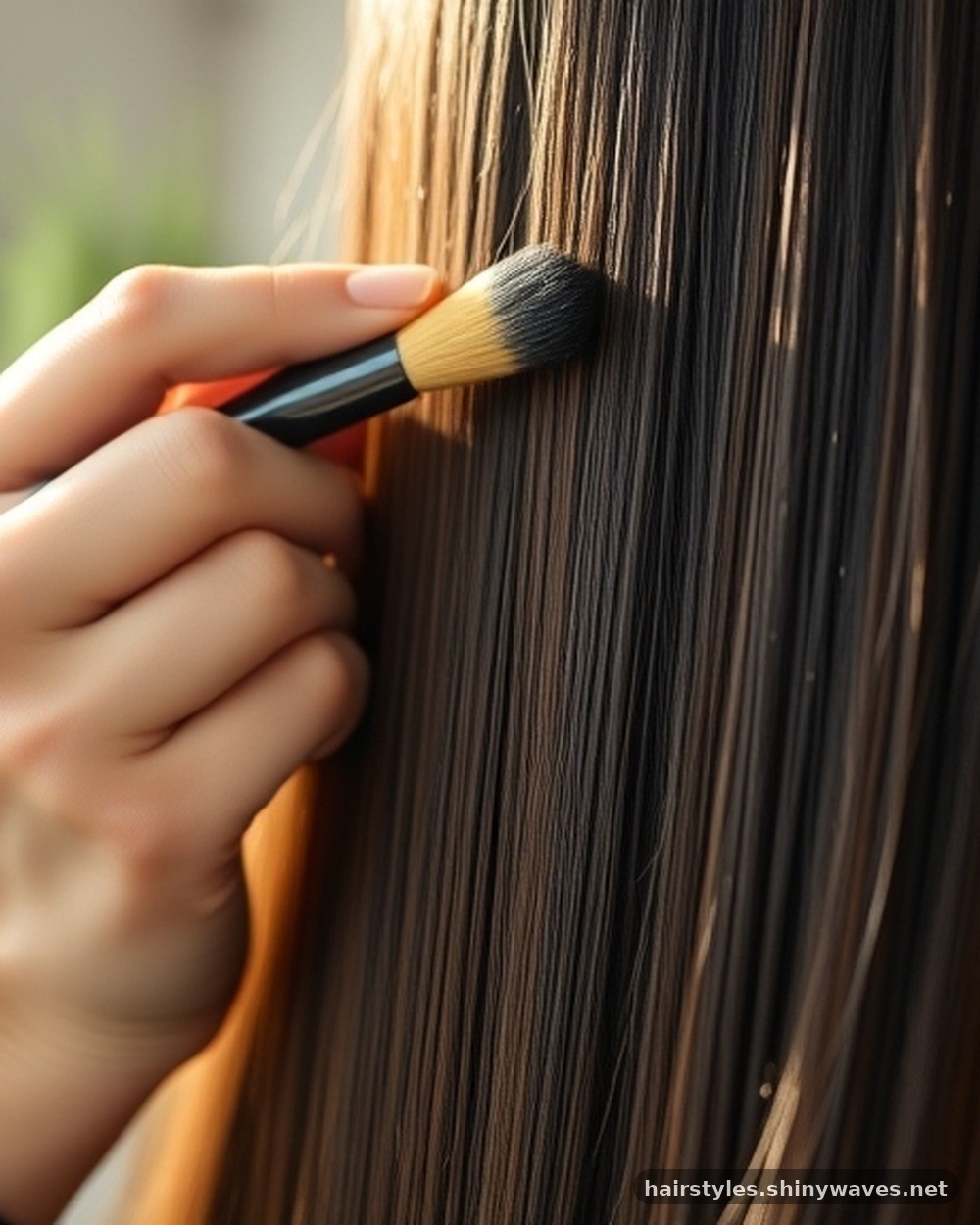
Balayage is a freehand technique where the color is painted onto the hair surface. This creates a soft, sweeping gradient that looks effortless and modern on black hair.
Find a stylist experienced in hand-painting, as the precision of the brush strokes directly impacts how natural the espresso tones appear against the dark base.
2. Espresso Sun-Kissed Ends
By concentrating the espresso color on the ends and mid-lengths, you get a sun-drenched appearance. This is perfect for those who want to avoid frequent salon touch-ups.
Apply a deep conditioning mask once a week to the ends, as the hair that has been lightened will be more porous than your natural black roots.
3. Espresso Face-Framing Gradient
This style starts with dark roots and gradually introduces espresso highlights that become lighter toward the front. It creates a soft, glowing effect around your features.
Keep the highlights narrow at the top and wider toward the bottom to ensure the transition from black to espresso feels like a natural progression of color.
4. Espresso Dimensional Layers
By painting highlights onto the interior layers of your hair, you create hidden depth that only shows when you move. It adds volume to fine or straight hair.
Request that your stylist slices the color into the hidden layers rather than the top layer for a sophisticated, “peek-a-boo” effect that feels very intentional.
5. Espresso Low-Contrast Blend
This method uses a shade of brown that is only one or two levels lighter than black. It creates a glossy, reflective look that only reveals itself in direct sunlight.
Consult the American Academy of Dermatology regarding proper hair care to ensure that even with subtle chemical processing, your hair retains its natural strength and elasticity.
3. Rich Chocolate Ribboning
1. Thick Chocolate Ribbons
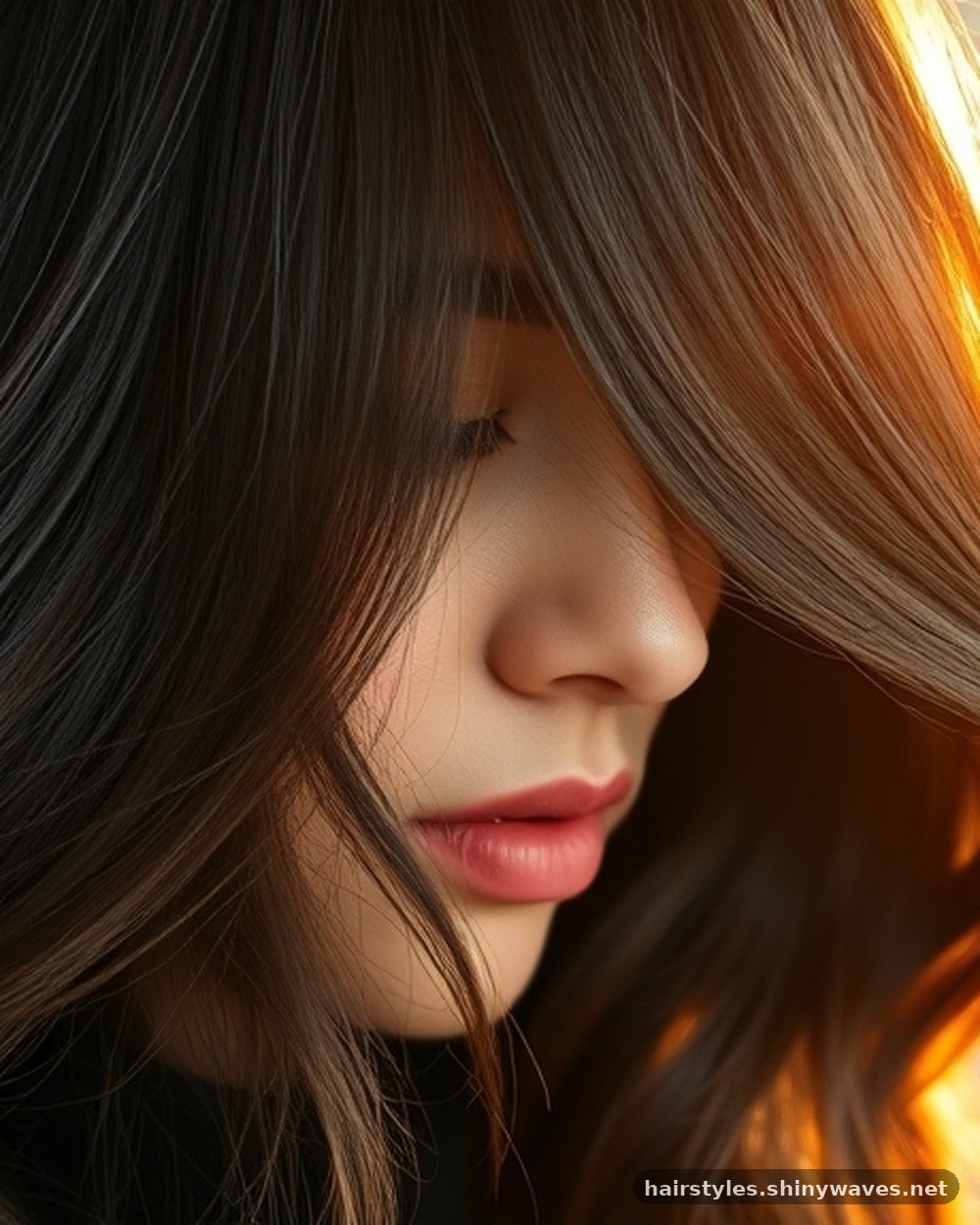
Unlike babylights, these are wider sections of color that create high-impact movement. They look particularly striking when styled in loose, voluminous waves or curls.
Ask for a “teasy-light” application, where the hair is teased before the color is applied to ensure the ribbon blend is soft and not blocky.
2. Chocolate Crown Highlights
Focusing the chocolate tones on the top layer of your hair creates a bright, reflective surface. It mimics the way hair lightens naturally at the crown.
Use a gloss treatment every six weeks to keep the chocolate tone vibrant, as brown pigments on black hair can sometimes fade to a warmer, brassier shade.
3. Chocolate Under-Lights
This style places the chocolate highlights underneath the top layer of black hair. It creates a subtle, secret flash of warmth when you put your hair in a ponytail.
Ask for a “peek-a-boo” section starting at the nape of the neck for a playful look that remains conservative enough for professional environments.
4. Chocolate Ombré Melt
A true melt transitions from black to chocolate through a middle shade of dark brown. This creates a seamless, professional-looking gradient that is very popular for long hair.
Be prepared for a longer salon session, as a three-stage melt requires careful blending to ensure no “banding” or uneven stripes appear during the transition.
5. Chocolate-Dipped Layers
If you have a layered haircut, highlighting just the tips of each layer accentuates the cut. It makes the style look more intentional and gives the appearance of extra texture.
Bring photos of your specific haircut to the salon so your stylist can see exactly where to place the color to best complement your layers.
4. Cool Ash Brown Contrast
1. Ashy Espresso Highlights
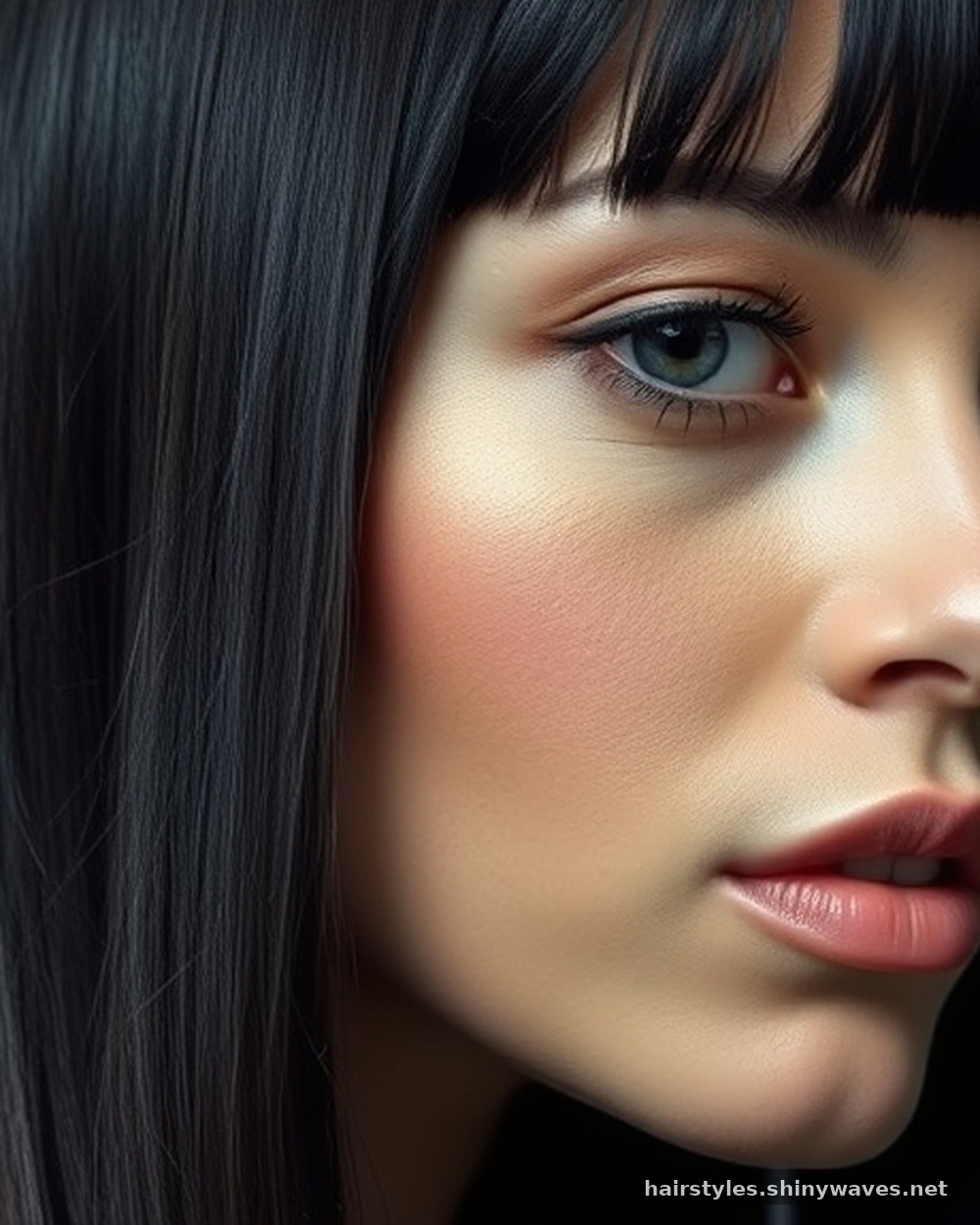
Ash-toned brown is perfect for those who want to avoid the warmth of gold or red. It provides a sleek, modern contrast against the cool undertones of black hair.
Use a blue-based toning shampoo once a week to neutralize any unwanted warmth that might emerge as your hair color fades over time.
2. Cool Cocoa Babylights
These fine, cool-toned highlights add a frosted look to black hair. They are understated and sophisticated, perfect for anyone wanting a change that isn’t overly dramatic.
Request a cool-toned gloss after the highlighting process to lock in the ash pigment and prevent the highlights from turning brassy in the weeks following your appointment.
3. Ash Brown Face-Framing
Cool-toned highlights around the face can brighten your complexion. This is especially effective if you have cool or neutral skin undertones that clash with warmer brown shades.
Ask your stylist to keep the ash brown intensity low, as cool pigments can sometimes appear darker than warm pigments on black hair if not properly lifted.
4. Ash Brown Balayage
A cool-toned balayage provides a sophisticated, “lived-in” aesthetic. It looks especially good on long, straight hair where the gradient can be clearly seen.
Avoid using heat styling tools above 350 degrees Fahrenheit, as excessive heat can cause the cool ash tones to fade or turn yellow faster than expected.
5. Ash Brown Lowlights
Instead of highlighting, try adding ash brown lowlights. This adds depth and texture to black hair without making it lighter, creating a moody, multidimensional look.
Ask for a “reverse balayage” where the stylist paints the dark brown shade into the hair to create a richer, deeper appearance rather than a lighter one.
5. Warm Mahogany Accents
1. Mahogany-Infused Ribbons

Mahogany is a rich, reddish-brown that looks stunning against black hair. It adds a vibrant, healthy glow that is particularly flattering for those with warm skin tones.
Use a color-depositing conditioner with subtle red pigments to keep the mahogany tones fresh and vibrant between your regular salon visits.
2. Subtle Mahogany Balayage
A soft sweep of mahogany through the mid-lengths adds a touch of fire to dark hair. It is a bold but wearable choice for a change of pace.
Ensure the mahogany is applied as a “tint” rather than a bleach-heavy highlight, as the warmth of mahogany is often easier to achieve on dark hair.
3. Mahogany Tips
If you aren’t ready to commit to highlights throughout your hair, try just the tips. It gives you the chance to experiment with color without major maintenance.
Check the color in different lighting—natural, office, and evening—to see how the mahogany shift changes with your environment before committing to more extensive highlights.
4. Mahogany Face-Framing
Adding a few mahogany strands around the face can make your skin look more radiant. It’s a great way to add warmth to your look without full-head color.
Keep the mahogany strands thin and well-blended with your natural black hair to ensure the transition looks intentional and not like an accidental dye job.
5. Deep Mahogany Highlights
These are dark, moody highlights that almost look like a natural reflection. They add a sophisticated, expensive-looking finish to black hair that catches the light beautifully.
Ask for a clear gloss treatment at the end of your appointment to maximize the shine, as mahogany tones look best when the hair is healthy and reflective.
6. Chestnut Brown Dimension
1. Chestnut Ribbon Highlights

Chestnut is a classic, neutral brown that bridges the gap between warm and cool. It provides a soft, natural-looking contrast that complements almost any hair texture.
Request a “fine-weave” application for these highlights to ensure the chestnut blends seamlessly with your black base rather than creating a striped effect.
2. Chestnut Balayage Gradient
A chestnut balayage is incredibly versatile. It creates a soft, natural transition that looks like you spent the summer in the sun, regardless of the season.
Schedule your balayage touch-ups every four to six months, as the natural-looking gradient is designed to grow out without the need for constant root maintenance.
3. Chestnut Face-Framing
Chestnut highlights around the face can soften harsh features. They are a great choice if you want a change that feels fresh but remains very low-maintenance.
Ask your stylist to taper the chestnut highlights so they are thinnest at the roots and gradually get wider toward the ends for a soft, diffused look.
4. Chestnut Layered Accents
If you have layers, adding chestnut highlights to the ends of those layers creates a beautiful, textured effect. It makes the hair look thicker and more dynamic.
Style your hair with a round brush to bounce the layers, which will show off the chestnut highlights and add volume to your overall look.
5. Chestnut Babylights
These delicate highlights are ideal for a subtle transformation. They add just enough dimension to break up the solid black color without being obvious or distracting.
Use a light-reflecting serum after styling to enhance the visibility of the chestnut babylights, as they can sometimes be hard to spot on very dark hair.
7. Caramel Brown Highlights
1. Caramel Ribboning
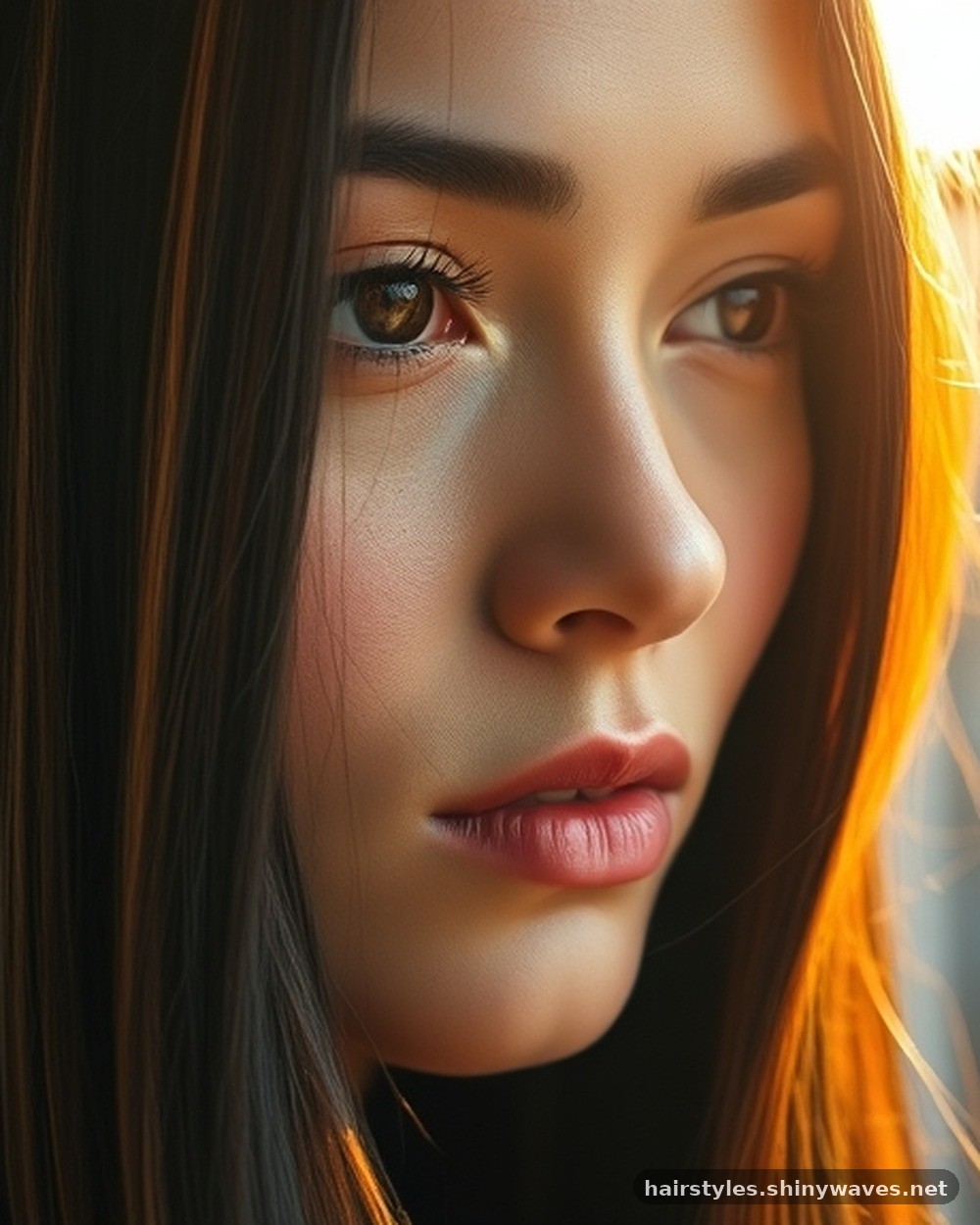
Caramel is a warm, golden-brown that creates a beautiful contrast against black hair. It is a bold, high-contrast look that is very popular for its sun-kissed effect.
Because caramel is significantly lighter than black, be prepared for more processing time. Ensure your stylist uses a bond-builder to protect your hair’s integrity during lifting.
2. Caramel Balayage
Caramel balayage is the gold standard for adding warmth to black hair. It creates a stunning, blended look that is both trendy and timelessly beautiful.
Use a sulfate-free, color-safe shampoo to prevent the caramel tones from washing out, as warmer pigments are often the first to fade from the hair.
3. Caramel Face-Framing
This style is often called the “money piece.” It uses caramel highlights around the face to instantly brighten your appearance and add a youthful, glowing effect.
Request that the caramel highlights start a few inches down from the root to allow for easier grow-out and a more natural, blended appearance.
4. Caramel Ombré
Caramel ombré is perfect for those with long, dark hair. It creates a dramatic shift from dark to light that is visually striking and very easy to maintain.
Ask for a “root tap” or “shadow root” if you find the transition from black to caramel too jarring; this blurs the line and makes the color look intentional.
5. Caramel Babylights
If you want a subtle take on a warm look, caramel babylights are the way to go. They add just enough golden warmth to make your hair look multi-tonal.
Ask your stylist to keep the babylights very sparse, as the high contrast between black hair and caramel means that even a few strands make a big impact.
8. High-Contrast Coffee Tones
1. Coffee Ribbon Highlights
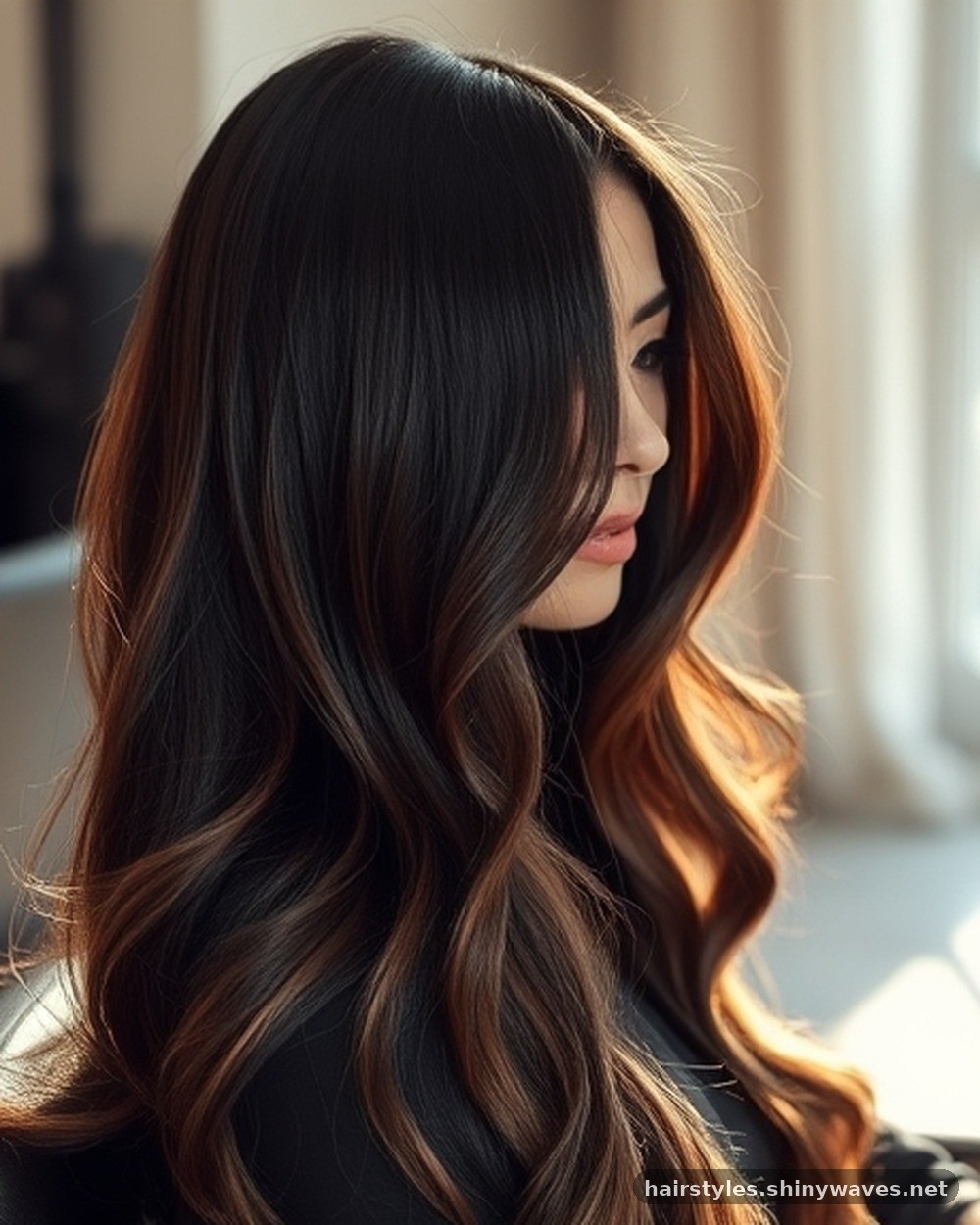
Coffee-toned highlights provide a rich, dark brown contrast that isn’t as bright as caramel but is more visible than mocha. It’s a sophisticated, professional choice.
Ask your stylist for a “low-light” placement, where the coffee shade is woven through the hair to create depth rather than just lightness.
2. Coffee Balayage
This creates a subtle, sophisticated gradient. The coffee tones blend beautifully with black hair, creating a natural look that feels like an enhancement rather than a change.
Use a gloss treatment once a month to keep the coffee tones rich and deep, preventing them from turning into an unwanted orange or brassy shade.
3. Coffee Face-Framing
Coffee highlights around the face add depth to your features. They are a great choice for those who want a subtle change that doesn’t scream “dyed hair.”
Ensure the coffee shade is at least two shades lighter than your natural black, otherwise, the highlights will be invisible in low light.
4. Coffee Layered Accents
Adding coffee-toned highlights to the tips of your layers creates a beautiful, dimensional effect. It makes the hair look healthy and well-cared for.
Focus the coffee color on the ends of your layers, as this area is typically the most porous and will absorb the pigment more effectively than the roots.
5. Coffee Babylights
These are perfect for a refined, understated look. They add a hint of dimension to black hair that only really shows when the light hits it just right.
Ask for a “babylight” technique rather than standard highlights to ensure the color is placed in tiny, natural-looking sections rather than uniform, chunky stripes.
9. FAQ on Dark Brown Highlights
Do brown highlights look good on black hair?
Yes, brown highlights are an excellent choice for black hair because they provide depth and dimension without the extreme contrast and damage associated with blonde or platinum lightening.
Which highlights are best for black hair?
The best highlights depend on your desired outcome, but chocolate, mocha, and caramel are popular choices because they complement the natural warmth often found in black hair.
What is the trend in 2026 for dark brown hair?
The trend is moving toward “lived-in” color, specifically balayage and babylights, which prioritize hair health and low-maintenance, natural-looking transitions over high-contrast, high-maintenance styles.
Which brown color is best for black hair?
For a natural look, choose a brown shade that is only two or three levels lighter than your natural base color to ensure the transition remains soft and elegant.
Can I get brown highlights without bleach?
It depends on how much lift you need, but many brown shades can be achieved using a high-lift color or a permanent dye without the need for traditional bleach.
10. Maintenance and Care
1. Sulfate-Free Shampoo
Sulfates strip color and moisture from the hair. Switching to a sulfate-free formula is the single most important step for maintaining the integrity of your brown highlights.
Read the ingredient list on your shampoo bottle; if you see “Sodium Lauryl Sulfate” or “Sodium Laureth Sulfate,” choose a different product for your colored hair.
2. Weekly Deep Conditioning
Highlighting, even subtly, can dehydrate your hair. A weekly deep conditioning treatment replenishes moisture and keeps your hair smooth, shiny, and resistant to breakage.
Apply the mask from mid-lengths to ends, avoiding the roots to prevent weighing down your hair or making your scalp feel greasy before your next wash.
3. Heat Protectant Spray
Heat styling tools like flat irons and curling wands can cause your highlights to fade prematurely. Always use a heat protectant spray before using any hot tools.
Look for a spray that offers protection up to at least 400 degrees Fahrenheit, and apply it evenly through damp hair before you begin your blow-drying process.
4. Regular Gloss Treatments
Highlights, especially brown ones on black hair, can lose their richness over time. A professional gloss treatment every six to eight weeks refreshes the tone and adds shine.
Ask your stylist for a clear or color-depositing gloss at your next appointment to keep your highlights looking as vibrant as they did on day one.
5. UV Protection for Hair
Sun exposure can cause brown highlights to turn brassy or fade rapidly. Use a hair-specific UV protection spray if you spend significant time outdoors in the sun.
Wear a wide-brimmed hat or a scarf during peak sun hours to physically block UV rays from reaching your hair and altering the chemical balance of your color.
Achieving beautiful dark brown highlights on black hair is about finding the right balance between dimension and health. By choosing a technique that suits your lifestyle—such as low-maintenance balayage or subtle, precise babylights—you can refresh your look while keeping your hair in excellent condition. Remember that the key to a professional result lies in the quality of the application and the consistency of your aftercare routine.
Whether you opt for warm mahogany, cool ash, or rich chocolate tones, the right placement will enhance your natural beauty and provide a sophisticated update to your style. As you explore these options, feel free to consult with your stylist about which specific shade and technique will best complement your hair texture and skin tone.