Introduction
Over 60 indigenous communities across Mexico have their own distinct braiding traditions — each one a living art form passed down through generations of skilled hands. Mexican braids aren’t just a hairstyle; they’re a cultural language woven in color, pattern, and pride.
Right now, these styles are exploding across runways, red carpets, and social media feeds — and it’s easy to see why. They blend deep ancestral roots with effortlessly modern wearability, making them relevant for everything from festival looks to everyday wear.
Whether you’re drawn to the bold, ribbon-wrapped trenzas of Oaxaca or a sleek, everyday braided updo inspired by contemporary Mexican fashion, there’s something here for every hair type and occasion.
For another perspective, this detailed piece on Braids with ribbon tutorial [Video] | Mexican hairstyles rib is worth a read.
In this guide, we’re walking through 20 gorgeous styles — from traditional indigenous looks rich in symbolism to fresh, modern twists you’ll want to recreate immediately. Get ready to be inspired.
The Deep Cultural Roots of Mexican Braids
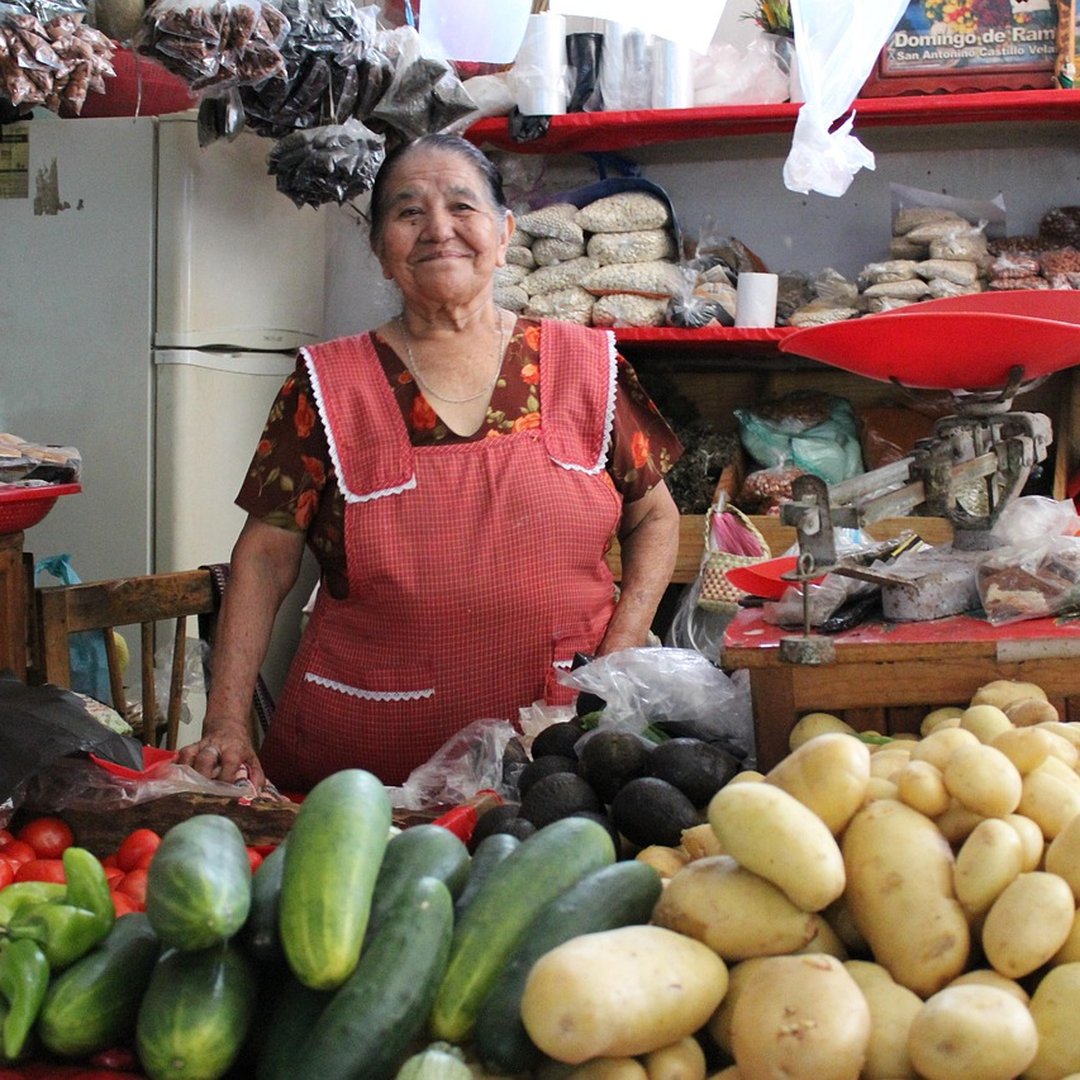
Picture a woman in a Oaxacan village carefully weaving ribbons into her daughter’s hair before sunrise — this ritual has played out for centuries, long before anyone called it a trend.
Mexican braids trace their origins to indigenous Oaxaqueña and Mazateca communities, where trenzas were far more than a hairstyle. They were a living language worn on the head.
Historically, braid patterns communicated everything at a glance:
- Social and economic standing within the community
- Marital status — single women often wore two braids, married women styled them differently
- Tribal identity and regional belonging
Braids also held deep ceremonial weight. At the Guelaguetza festival, celebrated every July in Oaxaca, elaborately braided hair adorned with flowers and ribbons remains a proud centerpiece of traditional dress — a visual declaration of heritage that refuses to disappear.
What Makes Mexican Braids Unique Compared to Other Braid Styles
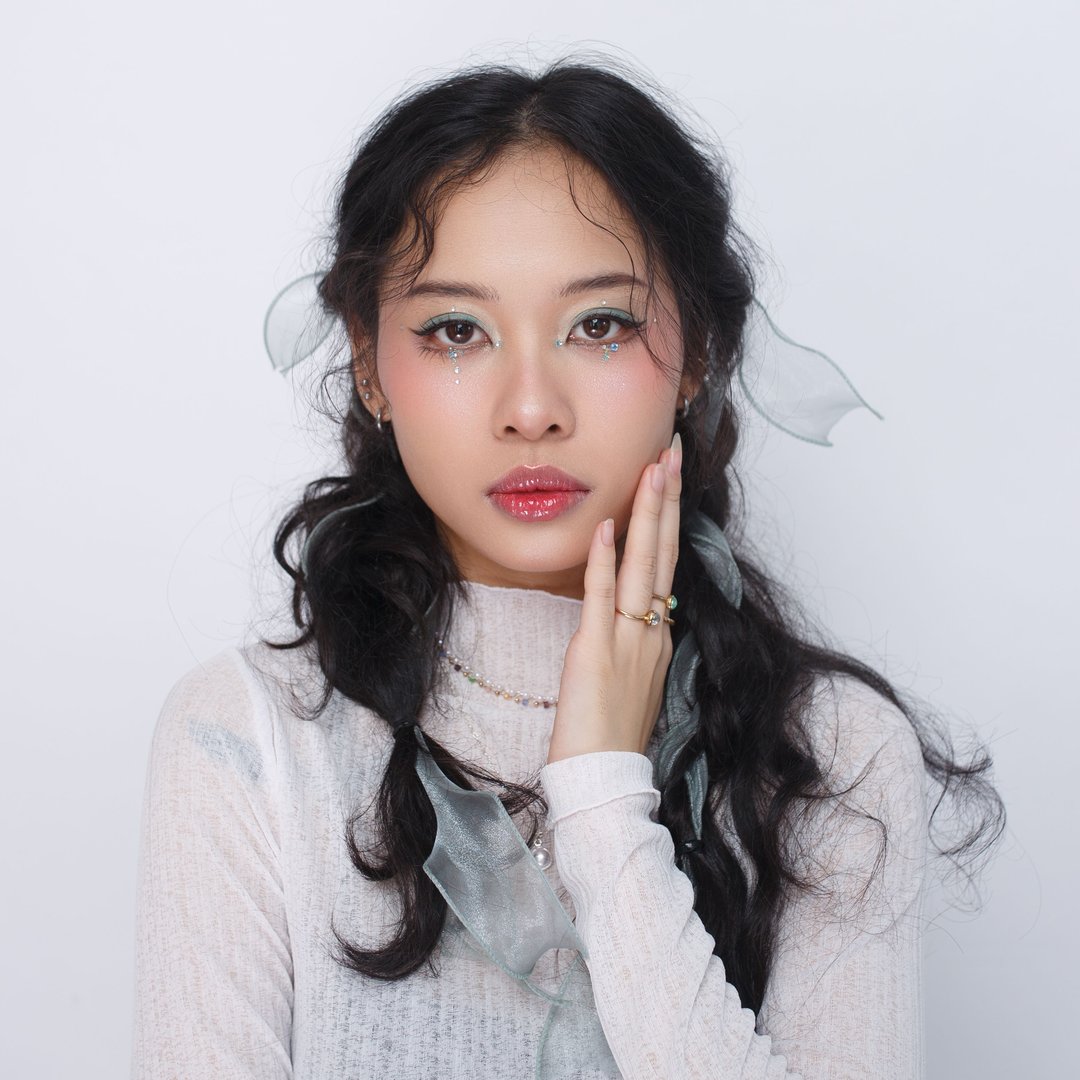
Have you ever seen a braid so vibrant it stopped you mid-scroll? That’s exactly the effect these styles create.
Mexican braids stand apart through their rich ribbon weaving and floral adornments — elements rooted in Indigenous and mestizo traditions where every color carried spiritual or social meaning. Red symbolized life, green represented nature, and gold honored harvest seasons.
Unlike minimalist European plaits, these styles embrace bold symmetry and visual abundance. Thick, full braids are intentional — thicker texture signals celebration and cultural pride.
- Ribbons woven through sections (often 3–5 colors at once)
- Fresh or fabric flowers pinned at the crown
- Dramatic volume from natural or added hair
The layered symbolism behind each accessory choice is what truly separates these looks — beauty here has always meant something deeper than aesthetics alone.
Mexican Ribbon Braids — The Style That Started a Movement

Many assume ribbon braids are just a cute trend — but these intricate trenzas trace back centuries to indigenous Mixtec and Zapotec communities, where woven ribbons carried deep cultural and ceremonial meaning.
Mexican braids woven with colorful listones became a viral sensation after creators on TikTok and Pinterest shared authentic styling tutorials, some accumulating over 40 million combined views in a single month.
What made people stop scrolling? The sheer visual impact — bold reds, electric greens, and sun-yellows braided into thick, flowing plaits that feel simultaneously ancient and modern.
To honor the tradition authentically when choosing ribbon colors, consider:
- Earthy terracotta and deep indigo for Oaxacan-inspired looks
- Bright multicolor combinations rooted in regional textile patterns
- Avoiding random pastels, which can dilute the cultural visual language
Classic Two-Strand Trenzas with Colorful Ribbons

There’s something about watching a woman weave bright ribbons through her hair that feels like witnessing a living tradition.
To create this look, divide clean hair into two sections, then weave a ribbon alongside each strand as you cross them over each other — the ribbon becomes part of the braid, not an afterthought.
- Works beautifully on hair at least 10 inches long
- Straight and wavy textures hold ribbon placement most cleanly
- Thicker hair creates fuller, more dramatic trenzas
These mexican braids shine at festivals, quinceañeras, or Tuesday mornings equally well.
To lock everything in place, secure the ribbon ends with a tight knot below a clear elastic band — this keeps both the braid and the ribbon intact through hours of dancing or a full school day.
Crown Braid Inspired by Oaxacan Ceremonial Looks
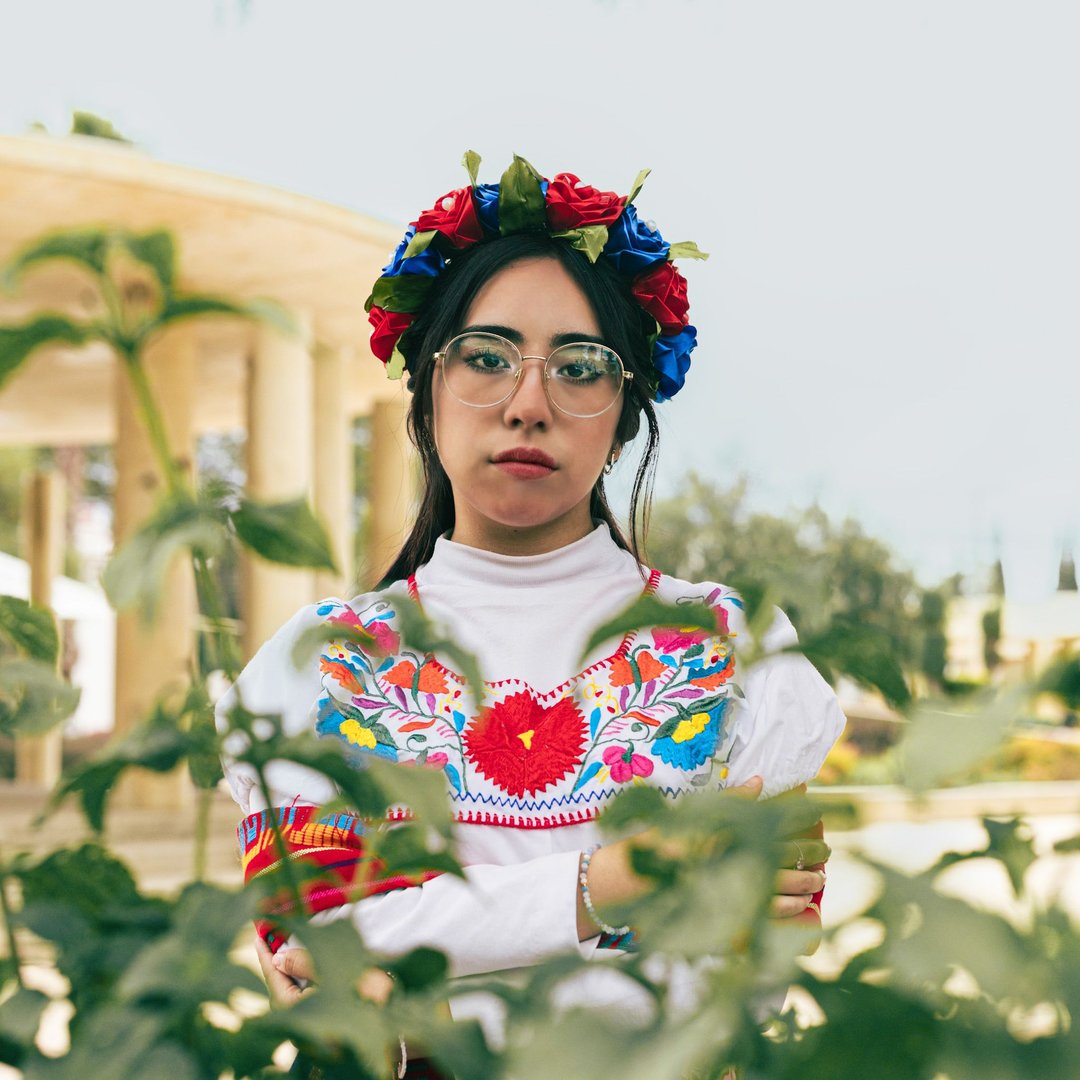
Start with two-day-old hair — natural texture gives the braid better grip and helps it hold its shape all day.
At the Guelaguetza festival, dancers wear regal halo braids woven with silk ribbons and wildflowers, sitting like a crown across the entire head. It’s one of the most breathtaking mexican braids traditions you’ll ever see.
To recreate it at home, braid two long sections from each side, then wrap and pin them to meet at the crown. For shorter hair, clip-in extensions around 18 inches blend seamlessly.
The accessories are everything. Try:
- Fresh or dried florals tucked between the weaves
- Velvet ribbons in deep red or emerald woven through each braid
- Gold decorative pins for an authentic, ceremonial finish
Layer the florals last — they anchor better once the braid is fully secured.
Flower-Adorned Box Braids with a Mexican Cultural Twist
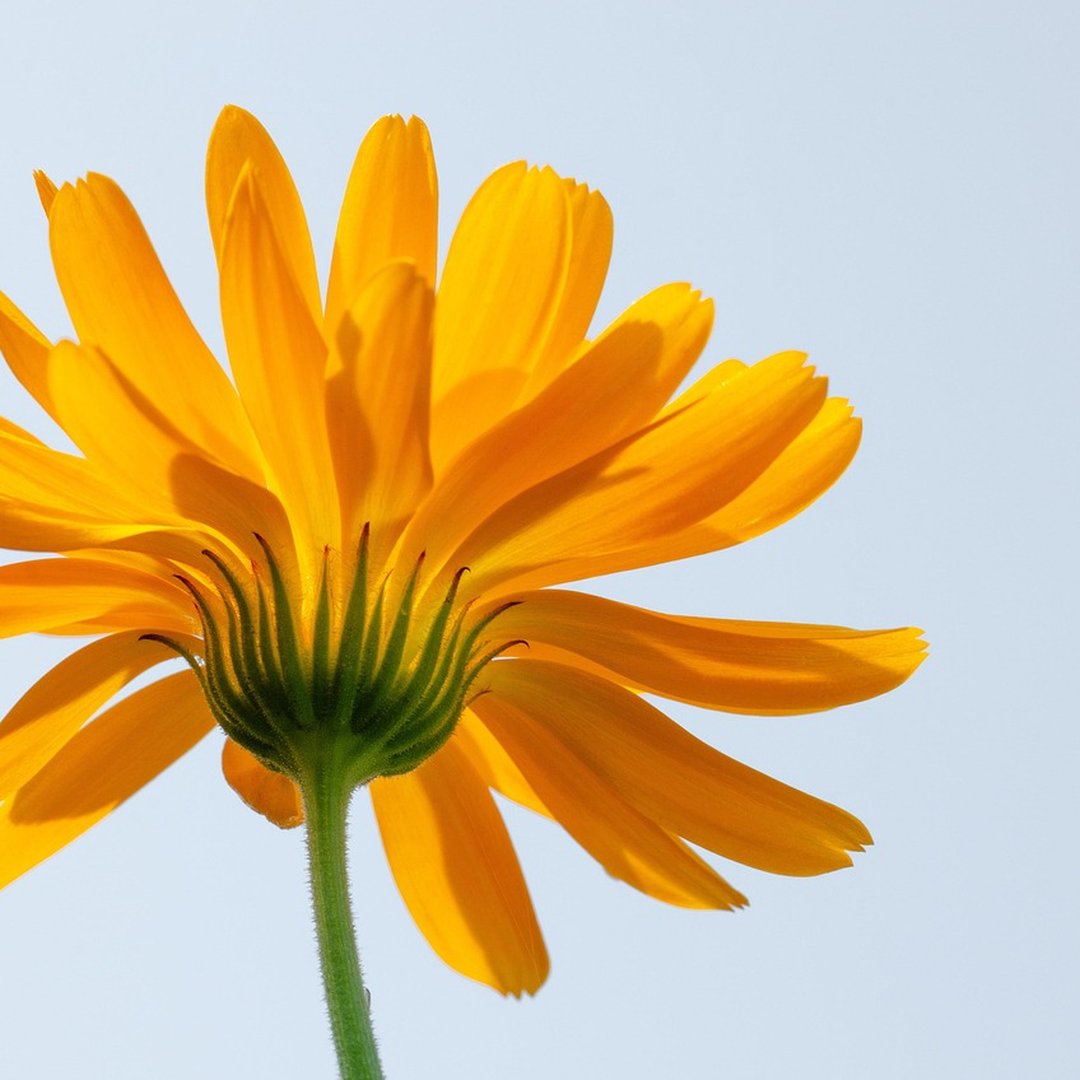
Come spring festival season, nothing elevates a protective style quite like blooms woven through structured box braids. This look draws directly from Mexican braids traditions where florals have long symbolised femininity, identity, and celebration.
Dried marigolds, fabric dahlias, and silk roses are the most popular choices. Marigolds carry deep cultural significance, connecting this style to Día de los Muertos imagery and vibrant street celebrations.
For a balanced, Pinterest-worthy result, try these placement tips:
- Cluster 3–5 small blooms at the crown for focal impact
- Tuck single flowers along a side part for subtle elegance
- Mix two flower sizes to add visual depth
I’ve found that a small dot of fabric glue — literally $3 at any craft store — keeps blooms firmly anchored all day without damaging your braids.
Fishtail Trenzas — A Modern Take on a Traditional Mexican Braid
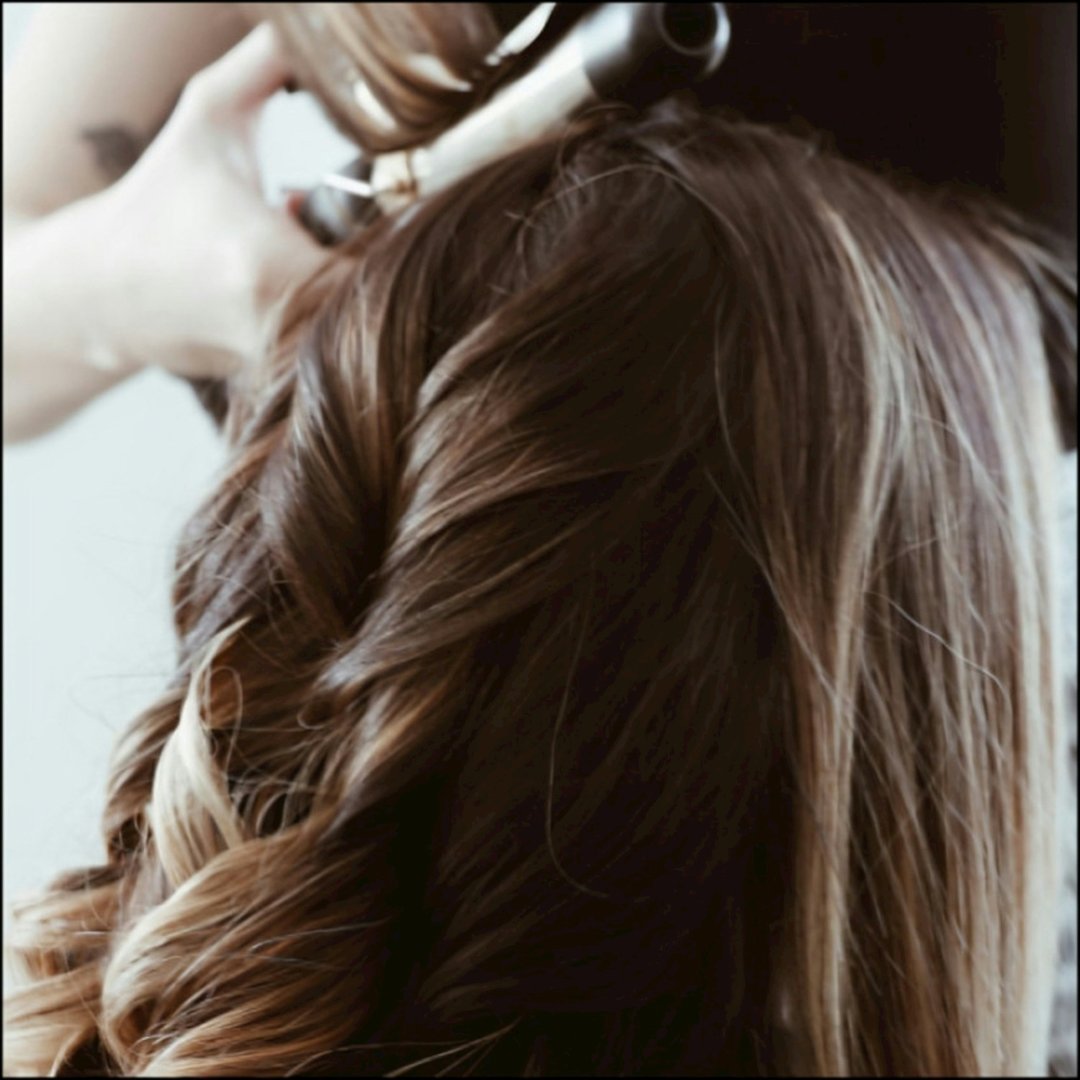
Hiring a stylist for intricate festival hair can cost $80–$150, but mastering this look at home is surprisingly achievable with a little practice.
The fishtail braid becomes something truly magical when you weave in satin ribbons and fresh or dried florals. These small details connect the style to the rich textile traditions seen throughout Oaxaca and Chiapas.
To start, divide hair into two equal sections, then pull small strands — about half an inch wide — from the outer edge of each side, crossing them over alternately until you reach the ends.
Among all mexican braids, this variation is remarkably versatile. Try it for:
- Quinceañera ceremonies with gold ribbon woven through
- Día de los Muertos looks paired with marigold blooms
- Everyday styling worn loose and undone for effortless charm
Loose, slightly imperfect fishtails honestly photograph the most beautifully — so don’t overthink it.
Thick Three-Strand Braids with Yarn Accents
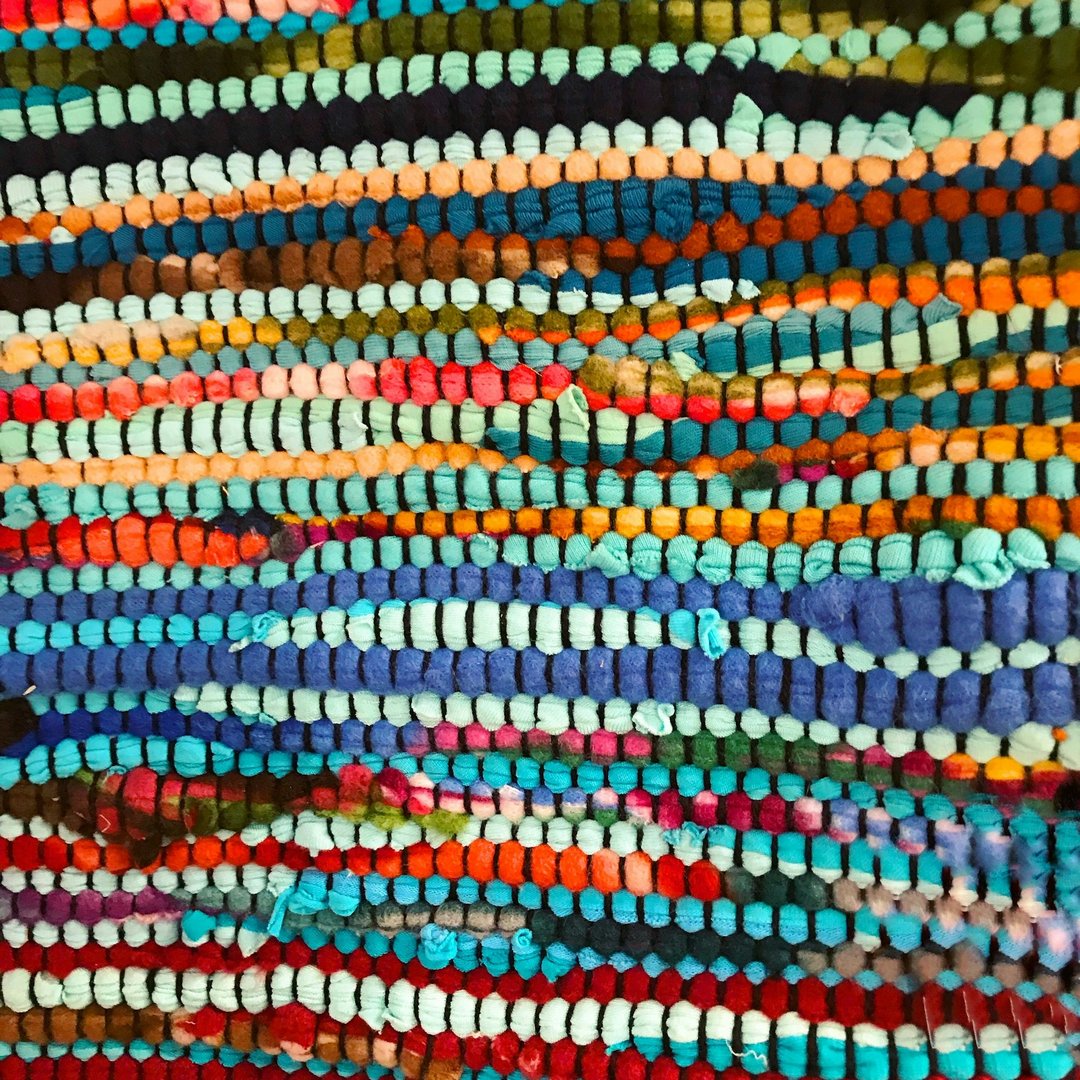
Yarn has been woven into Mexican hair traditions for centuries — long before satin ribbon ever appeared in a beauty aisle.
In these mexican braids with yarn accents, colorful strands replace expensive ribbon at a fraction of the cost — often under $3 for a full skein that styles multiple looks.
Textile artistry from indigenous Oaxacan and Mixtec communities inspired this technique, where vibrant color combinations carry deep cultural meaning beyond pure decoration.
To recreate this style at home:
- Pre-cut yarn into 18-inch lengths before braiding
- Fold two strands and incorporate them at the crown
- Braid firmly downward, keeping tension consistent for maximum volume and definition
- Seal the ends with a small elastic, then fan the tip for a polished, full finish
Half-Up Mexican Braids with Loose Waves Underneath

You’re getting ready for an outdoor wedding and can’t decide between an updo or wearing your hair down — this style answers that perfectly.
A braided crown paired with cascading loose waves creates that effortlessly romantic, “I woke up like this” energy. The structured top half contrasts beautifully against soft, flowing waves underneath.
This specific look sits within the broader world of mexican braids because it blends traditional crown braiding with modern texture. It genuinely works for festivals, quinceañeras, beach ceremonies, or everyday glam.
To keep waves soft but lasting, try a lightweight hold spray around $12–$15 rather than stiff hairspray.
You’ll need:
- A 1-inch curling wand for natural waves
- Bobby pins and a fine-tooth rat-tail comb
- Flexible-hold finishing spray to avoid crunchiness
Side-Swept Braid with Embroidered Hair Ties
Have you ever noticed how one small accessory can completely transform a hairstyle? A loose side braid draped over one shoulder becomes something truly special when finished with hand-embroidered hair ties — the kind rooted in Oaxacan and Huichol textile traditions.
This is one of those mexican braids that proves elegance doesn’t require complexity. The embroidery adds color, texture, and genuine cultural storytelling without a single extra styling step.
Where to find authentic accessories:
- Etsy shops from Mexican artisan collectives (look for sellers based in Oaxaca or Chiapas, usually under $12 per set)
- Local mercados or Latin American craft markets
- Fair-trade boutiques supporting indigenous makers
Face-shape styling tips:
- Oval faces — sweep to either side freely
- Round faces — sweep lower, toward the collarbone, to elongate
- Heart-shaped faces — sweep to the fuller side to balance a narrower chin
Traditional Mexican Braids for Little Girls — Sweet and Symbolic
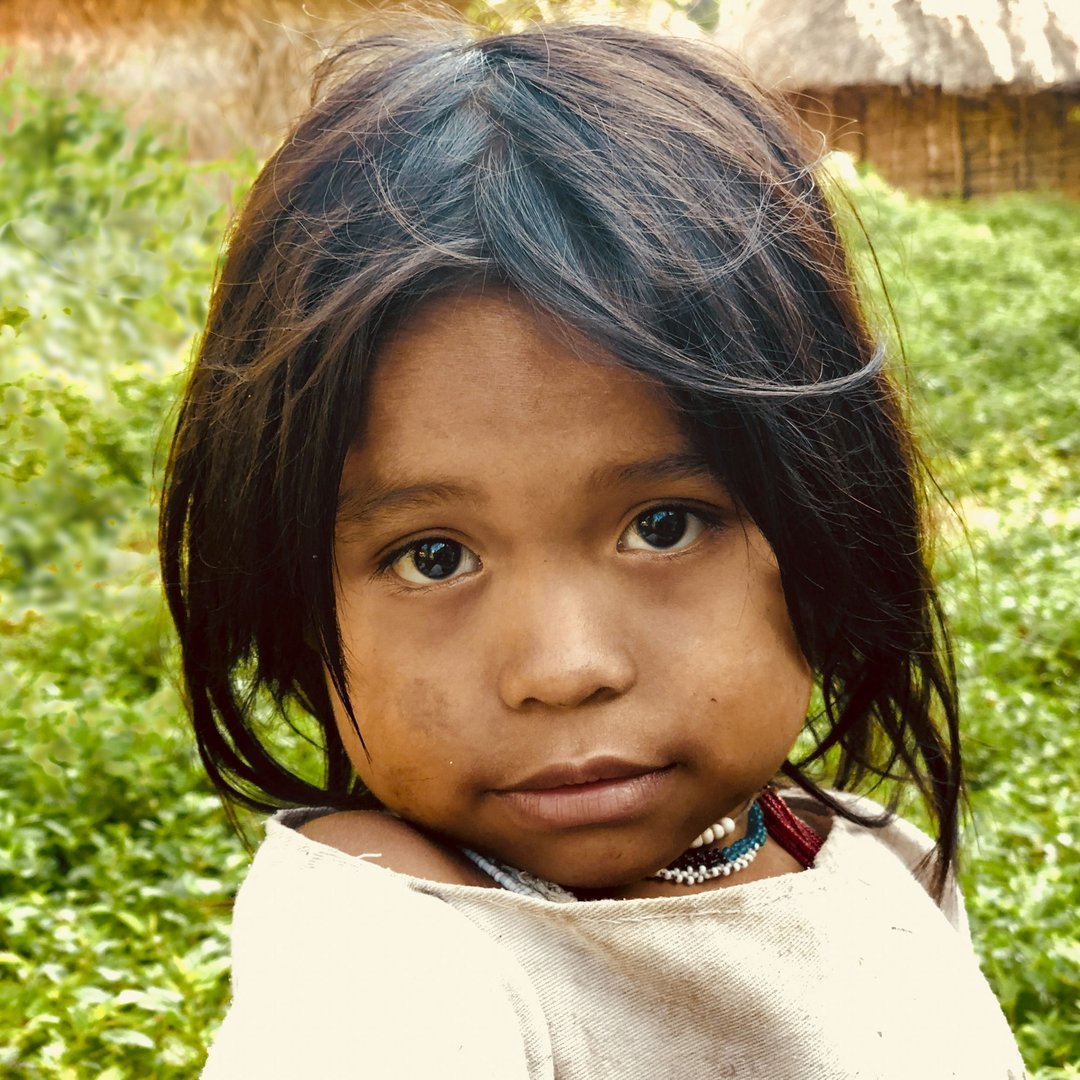
Many assume traditional children’s hairstyles are purely decorative — in reality, they carry generations of identity, storytelling, and community pride woven right into every strand.
Mexican braids for little girls often draw from Zapotec, Mixtec, and Nahua traditions, featuring two simple trenzas (plaits) or a single thick braid adorned with handwoven ribbons down the length.
Parents can start as early as age 3, weaving cultural pride into a 10-minute morning routine that feels celebratory rather than complicated.
Ribbon colors carry real meaning during festivals and ceremonies:
- Red — strength, life, and ancestral connection
- Green — nature, harvest, and community belonging
- Yellow — sun, joy, and celebration
Choosing colors intentionally transforms an everyday style into a small, beautiful act of cultural remembrance your daughter will carry with her.
Double Dutch Braids Styled the Mexican Way

There’s something about a bold, geometric braid that makes you want to dress the whole outfit around it.
Standard Dutch braids sit clean and sporty. The culturally influenced version goes further — ribbon threading woven through every panel, with tassel or bead-tipped ends that swing beautifully with movement.
Among mexican braids, this double style is one of the most visually striking. Ribbons typically run about 18 inches long, adding drama without overwhelming the look.
Key differences from a classic Dutch style:
- Decorative ribbon threaded through the braid panels
- Ends finished with colorful yarn, beads, or tassels
- Parting is often bold and precise, framing the face intentionally
Perfect occasions include summer festivals, quinceañeras, or paired with a floral embroidered blouse for effortless, culture-forward style.
Chunky Feed-In Braids with Huichol-Inspired Bead Accents

Choose lightweight beads under 2 grams each — your scalp will thank you after a full day of wear.
The Huichol people of western Mexico have practiced intricate beadwork for centuries, using vivid patterns to tell spiritual stories. Translating that artistry into hair accessories feels both deeply respectful and genuinely stunning.
When styling these mexican braids, thread beads onto individual sections before sealing each braid’s end — never slide them forcefully down a finished braid, as that snags the hair shaft.
- Use silicone-lined bead tips to protect strands
- Mix turquoise, coral, and gold tones for authentic Huichol palettes
- Anchor beads near mid-length, not the root
Chunky feed-in texture paired with richly colored beads creates a look that moves effortlessly between cultural celebration and runway-worthy high fashion.
Waterfall Braids Woven with Satin Ribbon

Summer weddings and quinceañeras call for something truly ethereal — and waterfall braids with satin ribbon deliver exactly that dreamlike softness.
Cascading strands flow freely between each braid section, creating an open, romantic texture that feels effortlessly festive. Threading a ½-inch satin ribbon through the weave adds rich colour and a silky finish that elevates any look.
- Section hair horizontally near the crown
- Begin a standard three-strand braid, dropping the bottom strand each time
- Weave ribbon alongside one strand continuously as you cross sections
- Secure the end with a clear elastic, leaving ribbon tails loose
Among all mexican braids, this style photographs beautifully because the ribbon catches light naturally, creating instant contrast and colour that stops the Pinterest scroll every single time.
20 Mexican Braids Styles Ranked by Difficulty — From Beginner to Bold
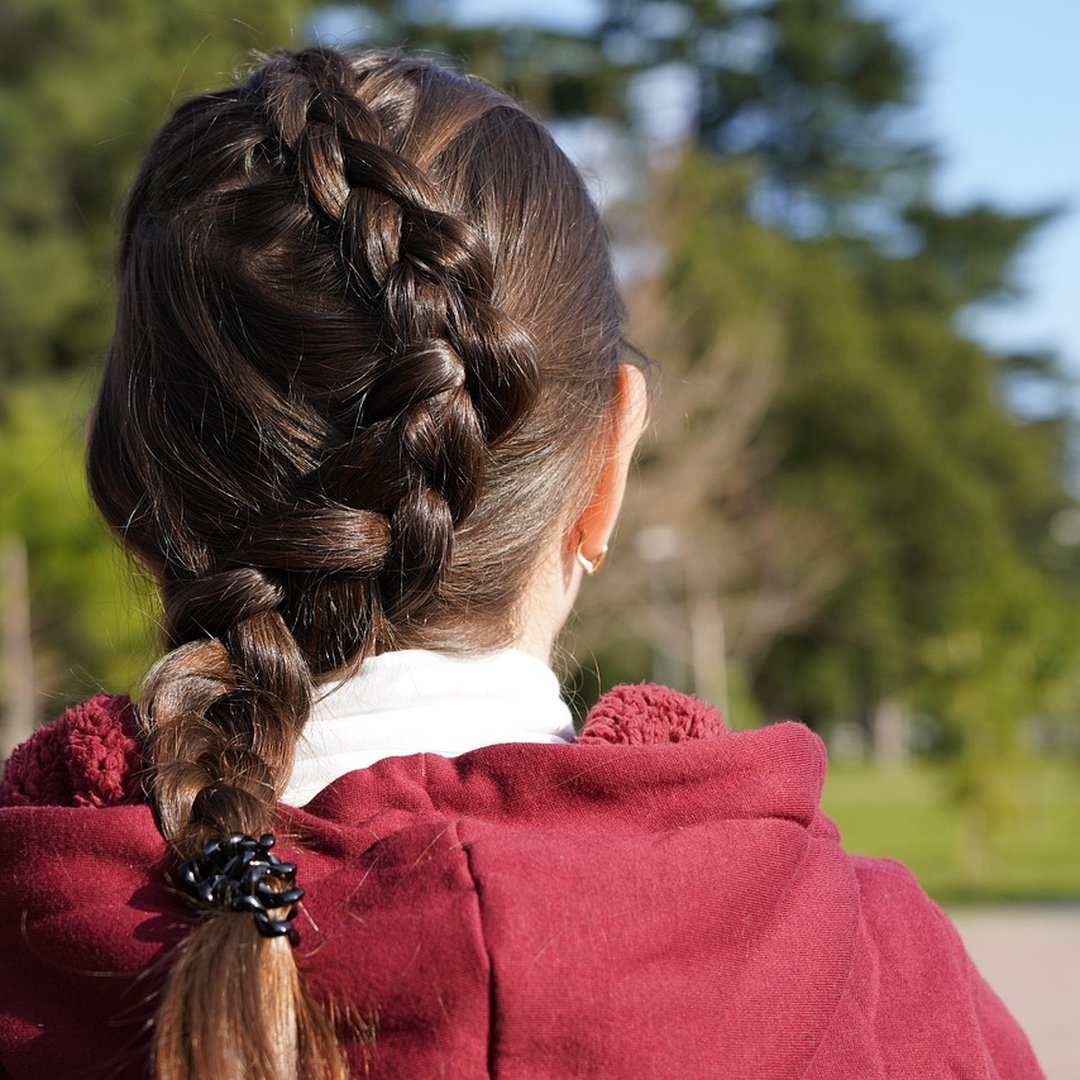
Hiring a professional stylist for traditional braided looks can cost $80–$150 per session — learning at home changes everything.
This quick-reference ranking puts all 20 mexican braids in order, from the simplest three-strand styles to the most intricate festival-worthy crowns, so you always know your starting point.
- Beginner (styles 1–7): Basic trenzas, simple side braids, everyday two-strand twists
- Intermediate (styles 8–14): Fishtail variations, wrapped updos, ribbon-woven styles
- Advanced (styles 15–20): Elaborate corona braids, multi-strand florals, full ceremonial looks
Start at your current skill level and work upward gradually — rushing to advanced styles leads to frustration, not gorgeous results.
Save or bookmark this guide now so you have your personal braiding roadmap ready whenever inspiration strikes.
How to Do Traditional Mexican Braids at Home — Tools and Tips

A rat-tail comb alone can cut your braiding time in half — precision parting is everything with mexican braids.
Gather your essentials before you start:
- Rat-tail comb for clean, even sections
- Edge control gel for sleek, polished edges
- Colorful ribbons, bobby pins, and elastic hair ties
Beginner mistake to avoid: braiding too loosely near the roots. Start with firm, consistent tension — not tight enough to pull, but secure enough to hold shape all day.
For heat and humidity, a light-hold hairspray ($8–$12) applied in sections before braiding keeps flyaways tamed for hours.
Pro tip: slightly dampen hair before braiding. I’ve found it creates smoother, longer-lasting results — especially on thick or coarse textures.
How to Honor Mexican Braid Culture Without Appropriating It
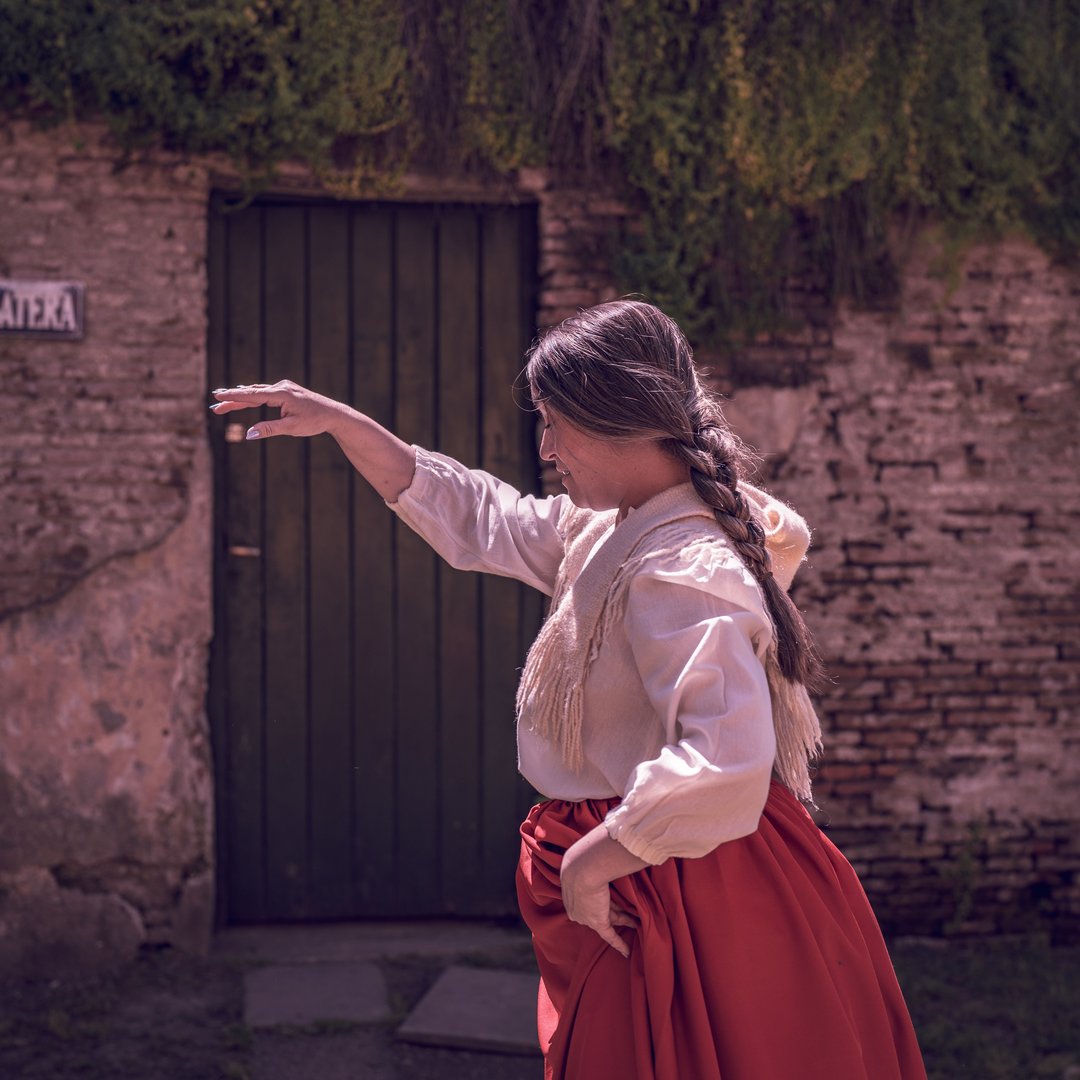
You’ve fallen in love with a style and want to wear it — that’s a beautiful starting point. The difference between appreciation and appropriation comes down to awareness and action.
Credit the culture openly. When you share your look online, name the tradition it comes from — whether that’s Zapotec, Mixtec, or Tehuana heritage.
Whenever possible, book with Mexican or indigenous stylists who carry this knowledge generationally. Even spending $20–$30 on a tutorial from a native creator directly supports the community.
- Follow indigenous educators and artisans on social media
- Research the specific region your chosen style originates from
- Buy handmade hair accessories from Mexican makers, not mass-produced imitations
Wearing mexican braids with genuine curiosity and respect transforms a hairstyle into a real cultural conversation.
Best Hair Products for Achieving Authentic Mexican Braid Styles

Want your braids to look polished, last longer, and actually hold through the day? The right products make all the difference.
For sleek finishes, edge control and shine serum are non-negotiables. Look for formulas under $15 that won’t flake or leave residue on intricate patterns.
Before braiding, prep hair with a light leave-in conditioner and detangle thoroughly — this alone reduces breakage significantly and makes sectioning far easier.
When recreating traditional mexican braids, a firm-hold finishing spray keeps flyaways tamed without stiffness.
For culturally aligned choices, seek products featuring:
- Aloe vera for moisture and hold
- Castor oil for strength and shine
- Hibiscus or avocado extracts for nourishment rooted in heritage
- Lightweight glycerin to prevent frizz
Clean, moisturised hair is truly your best starting point.
Mexican Braids for Every Hair Type — Straight, Wavy, Curly, and Coily

Many assume these styles only work on thick, straight hair — but mexican braids are genuinely versatile across every texture imaginable.
Straight and wavy hair naturally lends itself to sleek trenzas and ribbon-wrapped styles. A light texturizing spray adds grip without heat.
Curly and coily textures actually hold intricate patterns beautifully. Natural shrinkage can work in your favor, creating fuller, more voluminous results with less effort.
- Fine hair benefits from small cornrow-based foundations for lasting hold
- Thick hair suits wide, dramatic box braids or chunky fishtails
- Extensions and kanekalon braiding hair — typically around $5–$8 per pack — add authentic volume and length to any texture
Heat-styled hair works best for structured updos, while natural-textured hair shines in free-flowing, folkloric-inspired looks.
Where to Find Inspiration and Tutorials for Mexican Braids Online

Scrolling Pinterest on a Sunday morning, I’m always amazed how one beautiful trenza image leads to an entire rabbit hole of cultural artistry.
For learning mexican braids authentically, prioritize creators with genuine cultural roots over trend-chasing accounts. Look for bios written in Spanish, references to specific regions like Oaxaca or Chiapas, and personal family stories woven into their content.
- Instagram: Search #trenzasmexicanas — over 47,000 posts from real artisans
- TikTok: Follow indigenous Zapotec and Mixtec hair artists sharing traditional techniques
- Pinterest: Save from boards crediting the originating community, not just aesthetic roundups
Culturally respectful content teaches why a style exists, not just how it looks.
Supporting indigenous Mexican hair artists directly — by following, sharing, and commissioning their work — keeps these traditions thriving for future generations.
FAQ
Are braids part of Mexican culture?
Absolutely — and the roots go back thousands of years. Indigenous braiding traditions across civilisations like the Aztec, Maya, and Zapotec were deeply woven into daily life, spirituality, and social identity long before colonisation.
The style, colour, and complexity of a braid could signal a woman’s marital status, community, or ceremonial role. That living heritage is still honoured in many regions today.
What do you call Mexican braids?
The everyday Spanish word is trenzas, simply meaning “braids.” Regional names vary — in Oaxaca you might hear trenzas con listones for ribbon-woven styles, while Tehuana women have their own distinct plaiting vocabulary tied to their iconic dress tradition.
Each name carries cultural weight, reflecting the community and craft behind the style.
What are traditional Mexican hairstyles?
Think long plaits adorned with bright ribbons, floral crown braids, double trenzas framing the face, and elaborate ceremonial updos pinned with fresh flowers or embroidered fabric. These styles appear at festivals, weddings, and Día de los Muertos celebrations.
Many take well over 30 minutes to create and are considered wearable art passed down through generations.
How do you do traditional Mexican braids?
Most styles start with clean, detangled hair divided into two or three sections at the nape. Ribbon or yarn is woven in strand by strand as you braid downward — a technique even beginners can learn with a little practice.
For a full step-by-step walkthrough on specific looks, head straight to the tutorial section of this guide on mexican braids above.
You might also like: 20 Stylish Long Knotless Braids You’ll Love
Key Takeaways
Whether you’re refreshing your look this season or discovering these styles for the first time, here’s everything worth remembering from this guide.
- Rooted in rich heritage: Mexican braids carry centuries of Indigenous and mestizo cultural storytelling — wearing them is an act of appreciation, not just a style choice.
- Start simple: If you’re a beginner, the classic two-strand trenza or a basic crown braid are the most approachable styles to master first.
- Accessories matter: Even a single embroidered ribbon (often under $3) can transform a plain braid into something deeply meaningful and visually stunning.
- Respect comes first: Appreciate and share these styles thoughtfully, always acknowledging their cultural roots.
- Versatility is the beauty: From everyday wear to celebrations, there’s a style here for every occasion and hair type.
Save this guide to your Pinterest boards so you always have a go-to resource whenever inspiration strikes. 📌